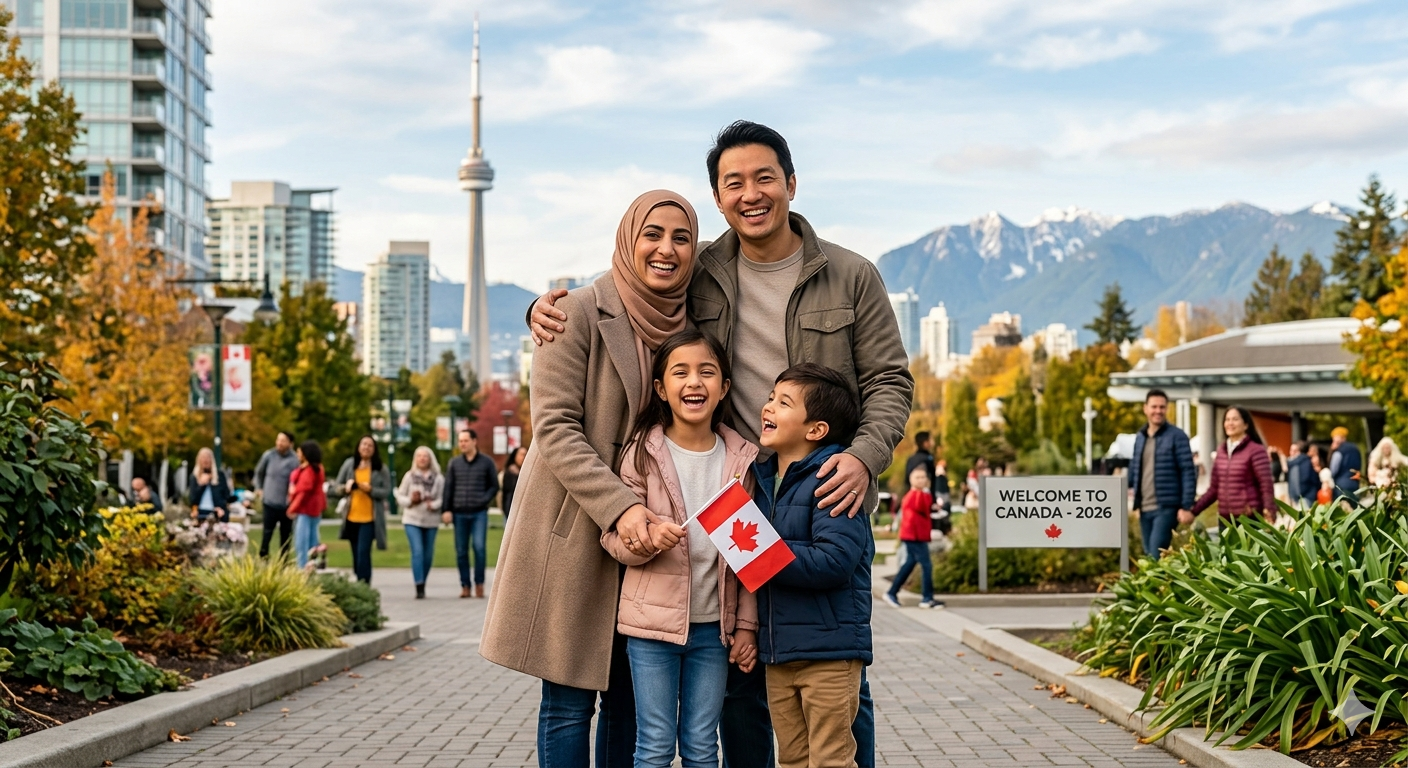
Comprehensive Guide to Canada Sponsorship Programs in 2026
Canada remains one of the most welcoming nations for immigrants globally. Through its robust sponsorship programs, the Canadian government allows citizens and permanent residents to bring their loved ones, skilled workers, and refugees into the country. As we move through 2026, several updates have been implemented to streamline the process. This 1000-word guide covers everything you need to know about sponsoring someone to Canada.
1. Introduction to Canadian Sponsorship
Sponsorship is a legal commitment where a Canadian citizen or permanent resident (the sponsor) promises to provide financial support for a relative or individual (the applicant) to settle in Canada. This process bypasses the traditional points-based system (Express Entry) in many cases, focusing instead on family reunification and humanitarian goals.
2. Family Class Sponsorship: The Primary Route
Family reunification is a pillar of the Canadian immigration system. Under the Family Class, you can sponsor specific relatives to become permanent residents.
Sponsoring a Spouse or Common-Law Partner
This is the most common sponsorship category. Whether your partner is living inside Canada (Inland) or outside (Outland), you can apply to bring them to the country.
- Eligibility: You must be legally married or have lived together for at least 12 consecutive months.
- Duration of Undertaking: You are financially responsible for your partner for 3 years after they become a permanent resident.
- Work Permits: Spouses living in Canada can often apply for an Open Work Permit while their PR application is being processed.
Sponsoring Dependent Children
Children under the age of 22 who do not have a spouse or partner are eligible.
- Exceptions: Children over 22 may qualify if they have a physical or mental condition that makes them financially dependent on their parents.
- Undertaking: The length of financial responsibility is usually 10 years or until the child turns 25.
Parents and Grandparents Program (PGP)
The PGP is highly competitive and often operates on a lottery or interest-to-sponsor basis.
- 2026 Update: Due to high demand, the government has increased the quota for the Super Visa, which allows parents to stay for up to 5 years at a time, as an alternative to the permanent residency route.
3. The Sponsor’s Eligibility Requirements
To be a sponsor in 2026, you must meet strict criteria set by Immigration, Refugees and Citizenship Canada (IRCC):
- Age: You must be at least 18 years old.
- Status: You must be a Canadian citizen, a person registered in Canada as an Indian under the Canadian Indian Act, or a permanent resident.
- Residency: If you are a PR, you must reside in Canada to sponsor. Citizens living abroad can sponsor spouses/children if they intend to live in Canada when the sponsored person arrives.
- Financial Stability: You must prove you have enough income to provide for the basic needs of the person you are sponsoring. This is measured via the Minimum Necessary Income (MNI).
Important Note: You cannot sponsor if you are receiving social assistance (unless for a disability), are in default of a previous sponsorship undertaking, or have been convicted of certain violent or sexual crimes.
4. Private Sponsorship of Refugees (PSR)
Canada is unique in allowing private groups to sponsor refugees. This is a humanitarian gesture that helps thousands of displaced people annually.
Group of Five (G5)
Five or more Canadian citizens or permanent residents can collectively sponsor a refugee. They must provide a settlement plan and prove they have the funds to support the refugee for one year.
Community Sponsors
Organizations, associations, or corporations based in Canada can also sponsor refugees. These groups often work with Settlement Agencies to ensure the newcomers integrate successfully into Canadian society.
5. Economic and Business Sponsorship
While usually called “nomination” or “endorsement,” certain business streams act similarly to sponsorship.
- Start-up Visa Program: If you have a viable business idea, a designated venture capital fund, angel investor group, or business incubator can “sponsor” your move to Canada by providing a Letter of Support.
- Provincial Nominee Programs (PNP): Provinces like Ontario, British Columbia, and Alberta can sponsor (nominate) workers who have the specific skills needed in their local labor market.
6. The Application Process: Step-by-Step
Applying for sponsorship is a two-part process that must be done simultaneously:
- Preparation: Gather all documents, including birth certificates, marriage licenses, police clearances, and medical exams.
- Submission: Most applications are now submitted through the Permanent Residence Portal online.
- Sponsorship Approval: IRCC first assesses if the sponsor is eligible.
- Applicant Assessment: Once the sponsor is approved, IRCC checks the applicant’s health, security, and background.
- Biometrics and Medicals: The applicant will be asked to provide fingerprints and undergo a medical exam by an IRCC-approved doctor.
- Decision: If successful, the applicant receives a Confirmation of Permanent Residence (COPR).
7. Common Challenges and How to Avoid Them
Many sponsorship applications are delayed or rejected due to simple errors.
- Incomplete Forms: Ensure every field is filled. Use “N/A” if a section doesn’t apply.
- Missing Proof of Relationship: For spouses, provide photos, joint bank statements, and chat logs. IRCC is very strict about “marriages of convenience.”
- Financial Miscalculations: Ensure your income meets the MNI for your family size plus the sponsored person.
8. Conclusion
Canada’s sponsorship programs in 2026 continue to provide a clear pathway for family unity and economic growth. While the process can be lengthy and document-heavy, the reward of permanent residency for a loved one is invaluable. Always check the official IRCC website for the most current forms and fee schedules, as policies can shift mid-year.